|
| Tea, anyone? |
***
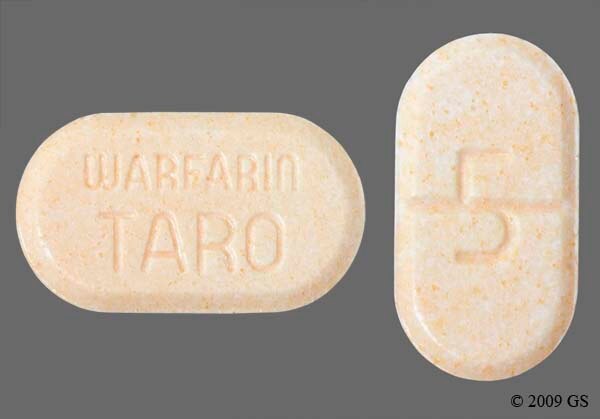
Thursday, May 2nd: Went to my first appointment with my brand-new primary care provider and did not like her at all. This is mostly due to her hands off approach and the fact that she does not want to see me again until AUGUST. If I am having difficulty breathing and chest pain on a daily basis, it would be nice to at least pretend that I have access to a doctor who will take my concerns seriously. Hmmph. During this appointment, though, my warfairn was increased to 10mg/day and I was told to continue the twice daily Lovenox injections.
Friday, May 3rd: Said shortness of breath, chest pain and dizziness prompted me to take a return trip to the ER in an ambulance. What was the main problem, you ask? Dehydration. Whoops! Who would have thought that I actually need to drink water? The good news: a chest x-ray showed (read my lips) NO NEW CLOTS!
Saturday, May 4th & Sunday, May 5th: I don't really remember either of these two days. I'm guessing they consisted of more chest pain, naps, crappy TV, pajamas, and probably pizza. Actually, knowing me, definitely pizza.
Monday, May 6th: This was my first day back to work after being in the hospital! But first, I had to go to the lab to have my blood drawn. By this point, needles have become old hat to me. After being poked and prodded, I was off to my office like a good little worker bee. Going back to work was a positive step for me - it provided some normalcy after one of the craziest weeks of my life. Plus, I love my job so I was glad to be back.
Tuesday, May 7th: The nurse from my PCP's office called with the results of my INR. It was in a therapeutic range so I was told to discontinue the Lovenox injections (yay!) and decrease my warfarin to 7mg/day. I also spoke with the nurse regarding my concerns about pain management and she indicated that the doctor didn't really specify in my chart what I am to do. Grrrr. Daily chest pain is scary, especially for a hypochondriac such as myself. Don't they get that?!?
In an interesting turn of events, when I examined my bottle of warfairn I had filled at my local Rite Aid, I noticed that the dosing instructions were incorrect. As such, I had been taking 1/2 of the dose that was prescribed to me by my doctor. I contacted the pharmacy, they admitted their mistake and apologized for any "inconvenience." It certainly would have been an inconvenience if I developed more clots and dropped dead! I still need to write a few angry letters to anyone who is masochistic enough to listen to me.
Wednesday, May 8th: More chest pain, more anxiety. At this point, I am at a loss of what to do because my PCP does not seem concerned but I feel like I am having a heart attack. I decided to do what I do best: nothing.
Thursday, May 9th: After I finish my workday, where did I find myself? Back at the ER, of course! I was having so much trouble breathing that I thought I was going to die. Plus, Creeps really wanted to visit the hospital cafeteria again. The food really grew on him.
I really can't say enough good stuff about the ED staff at Allegheny General Hospital. They are thorough, understanding, and compassionate. No matter what your medical history is, chest pain and shortness of breath are terrifying things. Just knowing that I was in such capable hands calmed my nerves considerably.
The "normal" test were performed: EKG, blood work, chest x-ray. Fortunately, the results were all good and my INR was still in an appropriate range. The doctor explained that, because of the significant damage to my lung, my recovery will take at least a few weeks. During that time, I can expect a degree of pain and difficulty breathing. Anxiety, he said, will only make it worse because panic attacks can mimic the symptoms of a PE. It's like a vicious cycle - my chest will start hurting, I will freak out, then I will have trouble breathing, and freak out some more. The more I freak out, the worse the symptoms will be.
He suggested that I keep my anxiety under control by taking Ativan when I start to have symptoms. He also prescribed pain medication. These two meds have worked wonders at keeping anxiety and pain at bay. Sometimes, all you really need is an understanding physician who expresses genuine concern for your symptoms.
Friday, May 10th - Sunday, May 12th: I've been following the recommendations of the ER doctor and have been able to effectively manage the pain and anxiety associated with it. I'm still not feeling great, but now I feel like I have the tools to deal with my symptoms. Also, I bought ice cream and cookies at the store. Ice cream will cure anything that ails you.
***
After a cycle of naps, meds, ice cream, more naps, another dose of meds, and a cookie supper, I will be ready to tackle anything that is thrown at me next week!